
INDUSTRY FOCUS · Healthcare & Simulation
Smarter learning platforms for the digital age
Immersive, adaptive, and measurable learning platforms for schools, universities, and training providers.
XR & Immersive Learning
AI-Powered LMS
Gamification
Virtual Classrooms
Adaptive Content
Analytics & Tracking
PROBLEM
Traditional learning platforms often lack engagement, personalization, and real-time performance insight.
SOLUTION
We build LMS, XR, and AI-powered learning systems with interactive modules, quizzes, analytics, role-based access, virtual classrooms, and adaptive content.
OUTCOME
More engaging learning experiences, better student tracking, improved retention, and scalable digital education delivery.
Use Cases
4 specialized solutions for modern education
Healthcare & Simulation
Immersive medical training and simulation systems
XR and AI-powered healthcare training systems for surgeons, emergency responders, hospitals, clinics, and high-risk medical environments.
Use Case 01
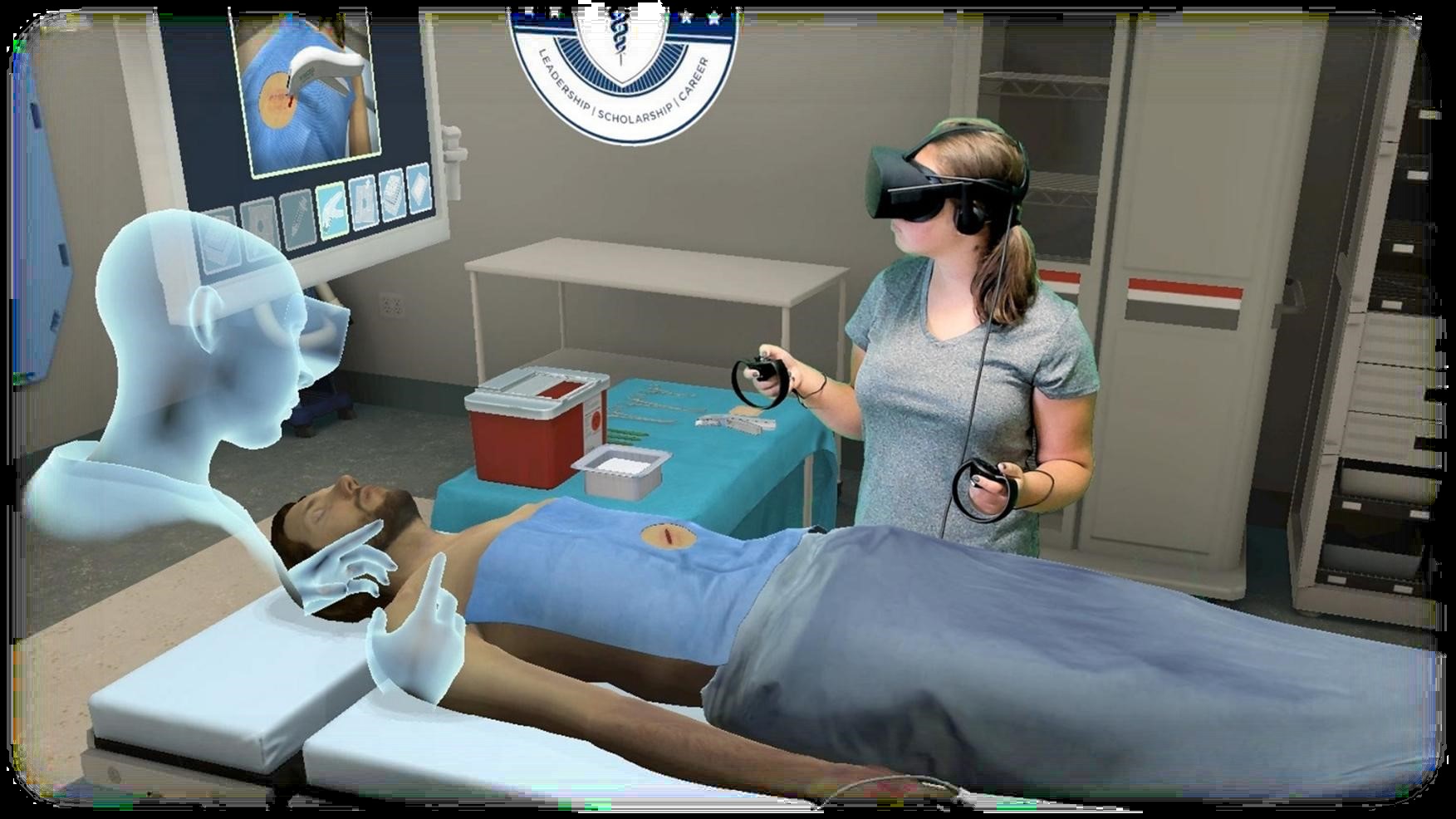
Medical Simulation Training for Surgeons
A medical school or hospital wants to train surgeons using XR-based simulations in a realistic and controlled training environment.
XR surgical simulations with 360-degree procedure videos, decision-based training, and performance analytics.
Surgical Simulation
360 Video
Decision Training
Analytics
Solution
- Create realistic 360-degree surgical procedure videos.
- Define interactive training scenarios where students must make decisions.
- Analyse responses to track performance and suggest areas for improvement.
- Transcode videos for optimal streaming across multiple XR devices in medical labs.
Outcome
- Realistic surgical training without patient risk.
- Better decision-making under pressure.
- Measurable student performance improvement.
- Device-ready simulation content for medical labs.
Use Case 02
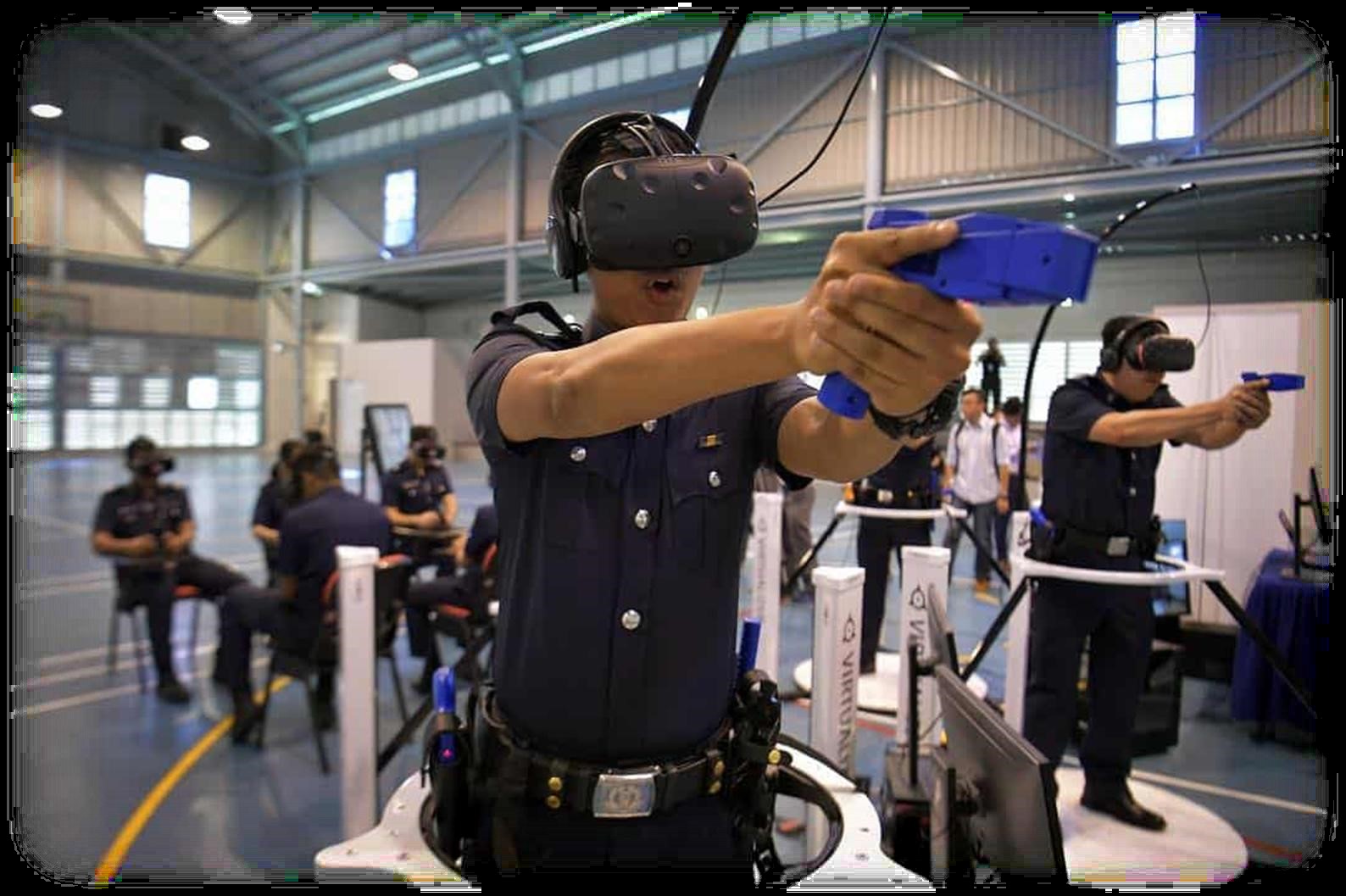
Virtual Training for Emergency Responders
A fire department or emergency response unit wants to train personnel in high-risk environments using VR and realistic emergency scenarios.
VR emergency training with realistic scenarios, AI-driven decision assessment, and response analytics.
Emergency Training
VR Simulation
AI Assessment
Response Analytics
Solution
- Create interactive XR episodes simulating real-life emergency situations.
- Use 360 raw material and transcode videos for seamless streaming on XR devices.
- Integrate AI-driven interactions to assess decision-making skills.
- Utilize analytics to track user responses and improve training modules.
Outcome
- Safer preparation for high-risk field situations.
- Improved decision-making under pressure.
- Repeatable emergency response training.
- Training improvement based on response data.
Use Case 03
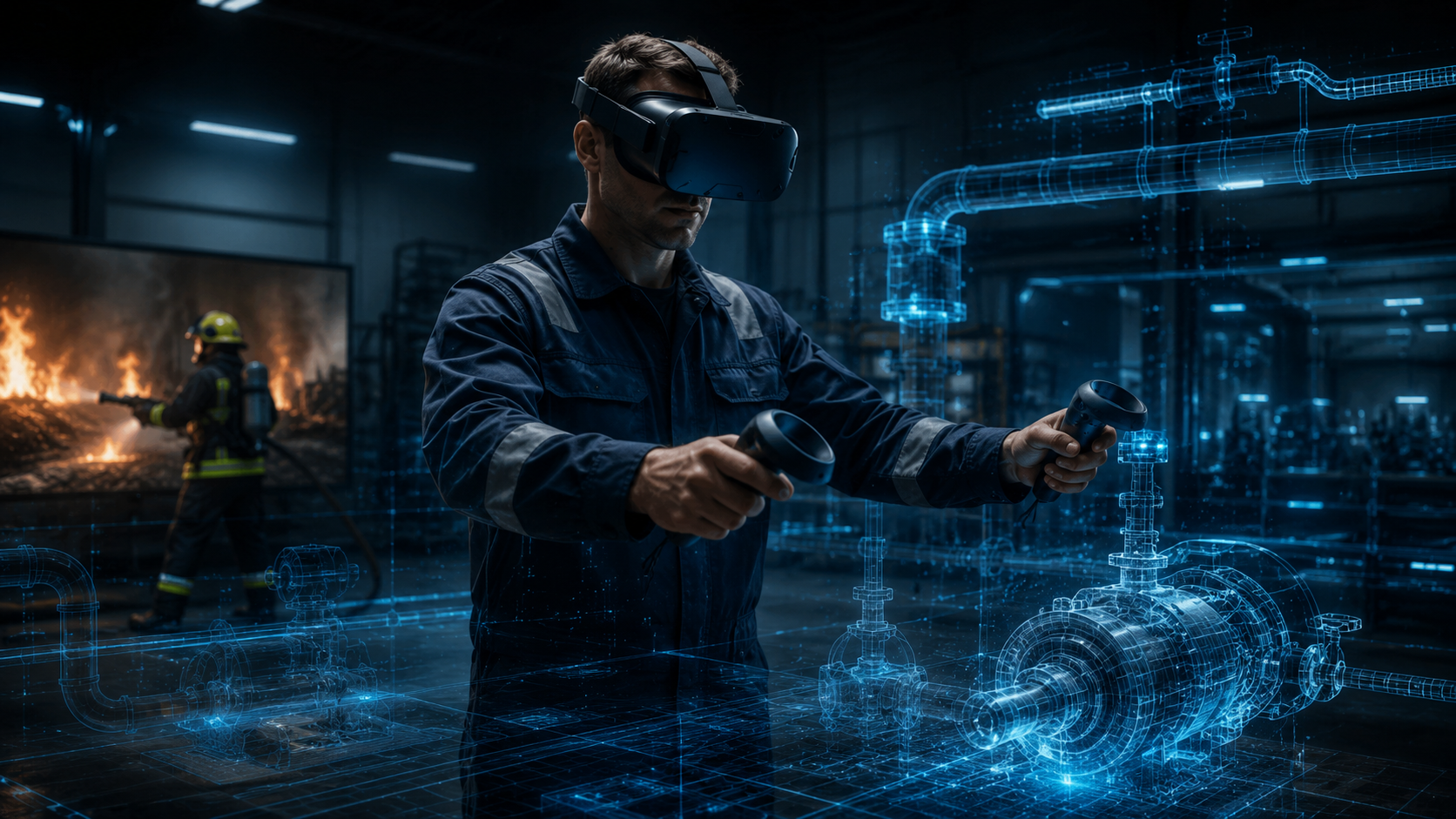
Virtual Reality Training & Simulation
Enterprises can create XR-based training modules for employees in high-risk industries such as manufacturing, healthcare, and emergency response.
XR training modules for high-risk industries using 360-degree environments, AI feedback, and learner analytics.
High-Risk Training
XR Modules
AI Feedback
Learner Analytics
Solution
- 360-degree video integration for realistic training environments.
- Interactive decision-making elements and AI feedback.
- Scenario-based episode creation for job-specific training.
- Performance analytics for tracking learner improvements.
Outcome
- Safer workforce preparation.
- Repeatable training for risky scenarios.
- Better job-specific skill development.
- Measurable learning progress over time.

Use Case 04
Employee Onboarding System for Hospitals and Clinics
Hospitals and clinics must efficiently onboard doctors, nurses, and administrative staff while ensuring compliance with medical regulations.
Hospital onboarding systems for staff training, credential verification, compliance readiness, and patient care preparation.
Hospital Onboarding
Credentialing
Compliance
Staff Training
Solution
- Centralized onboarding workflows for doctors, nurses, and administrative staff.
- Credential verification and document tracking.
- Compliance training modules for medical regulations.
- Readiness tracking for patient care responsibilities.
Outcome
- Faster staff onboarding.
- Reduced delays in credential verification.
- Improved compliance with medical regulations.
- Better patient care readiness.